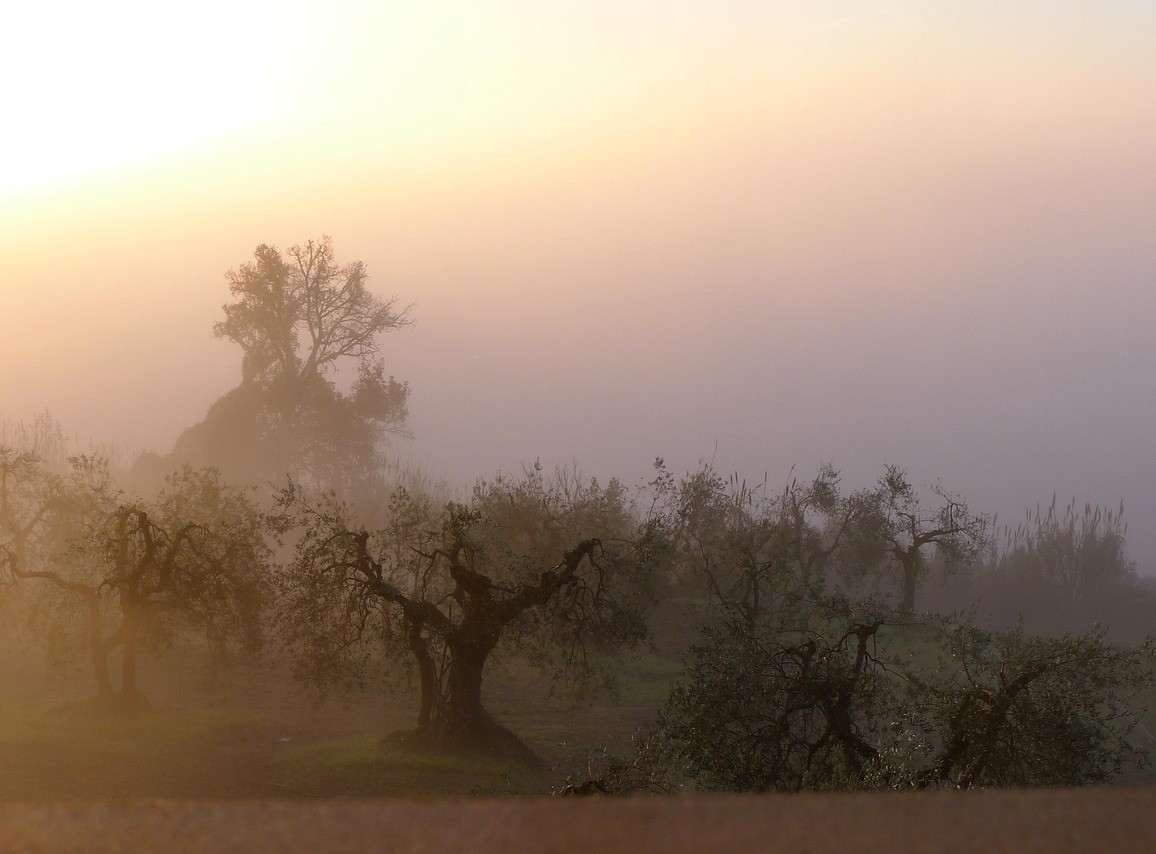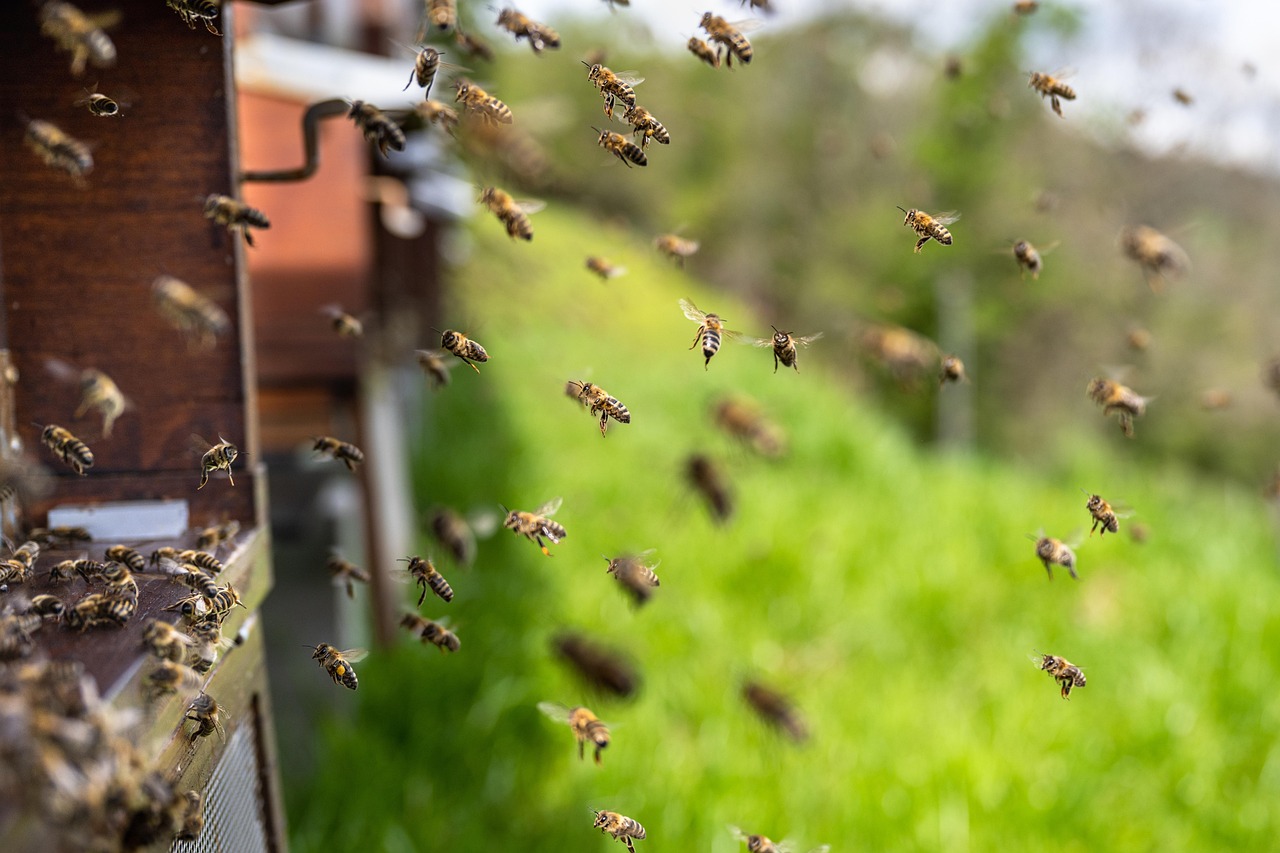
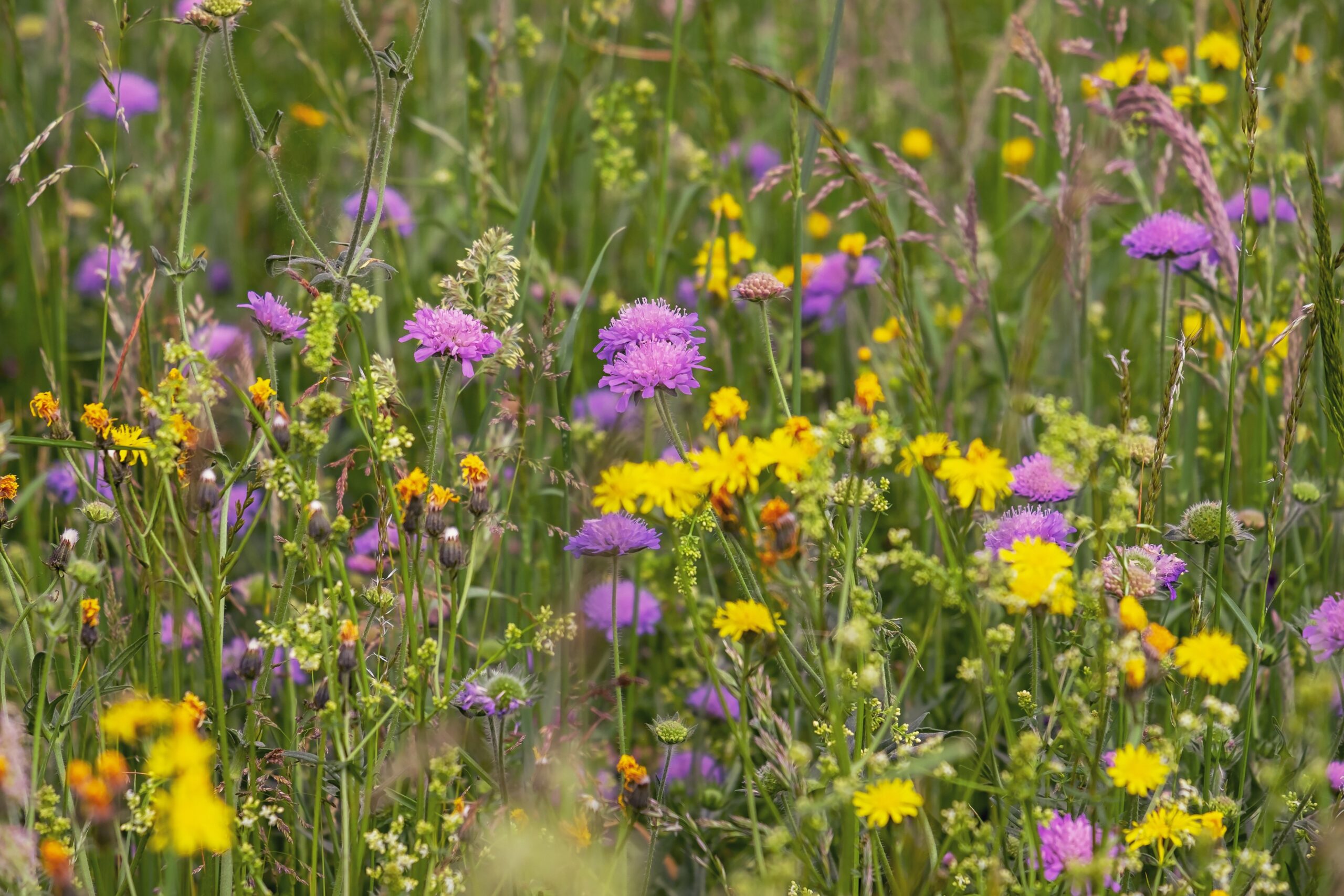
May is the month of flowering in the Val d’Orcia. For our organic farm in Monticchiello, this period not only represents an aesthetic transformation of the landscape, but also the peak activity of those we consider our most valuable collaborators: the bees.
Pollination: an essential ecosystem service.
Bees are often associated exclusively with honey production. In reality, their primary role is pollination. Approximately 80% of the world’s plant species depend on these insects for reproduction. Without them, plant biodiversity would suffer a drastic decline, with direct consequences for food availability, including for humans. Bees also act as “environmental sentinels”: extremely sensitive to changes in the landscape and pollutants, their health provides us with precise data on the health of the places where we live and farm.
The decline of pollinating insects is a documented fact: in recent decades, bee populations have declined dramatically. Climate change and habitat loss are among the main causes, but the use of pesticides and chemical herbicides in conventional agriculture remains one of the most critical factors.
At Oppio Novo, the choice to go organic isn’t a fad, but a conservation strategy:
Zero pesticides: We don’t use synthetic chemicals that can poison bees or compromise their immune systems and orientation.
Rotation and biodiversity: We maintain hedges, flower borders, and uncultivated areas to provide bees with shelter and a diverse supply of food throughout the season. Visit our MEDICINAL GARDEN.
Mowing management: We respect the timing of wildflowers, avoiding cutting the grass just when bees need it most.
Oppio Novo honey: a local product.
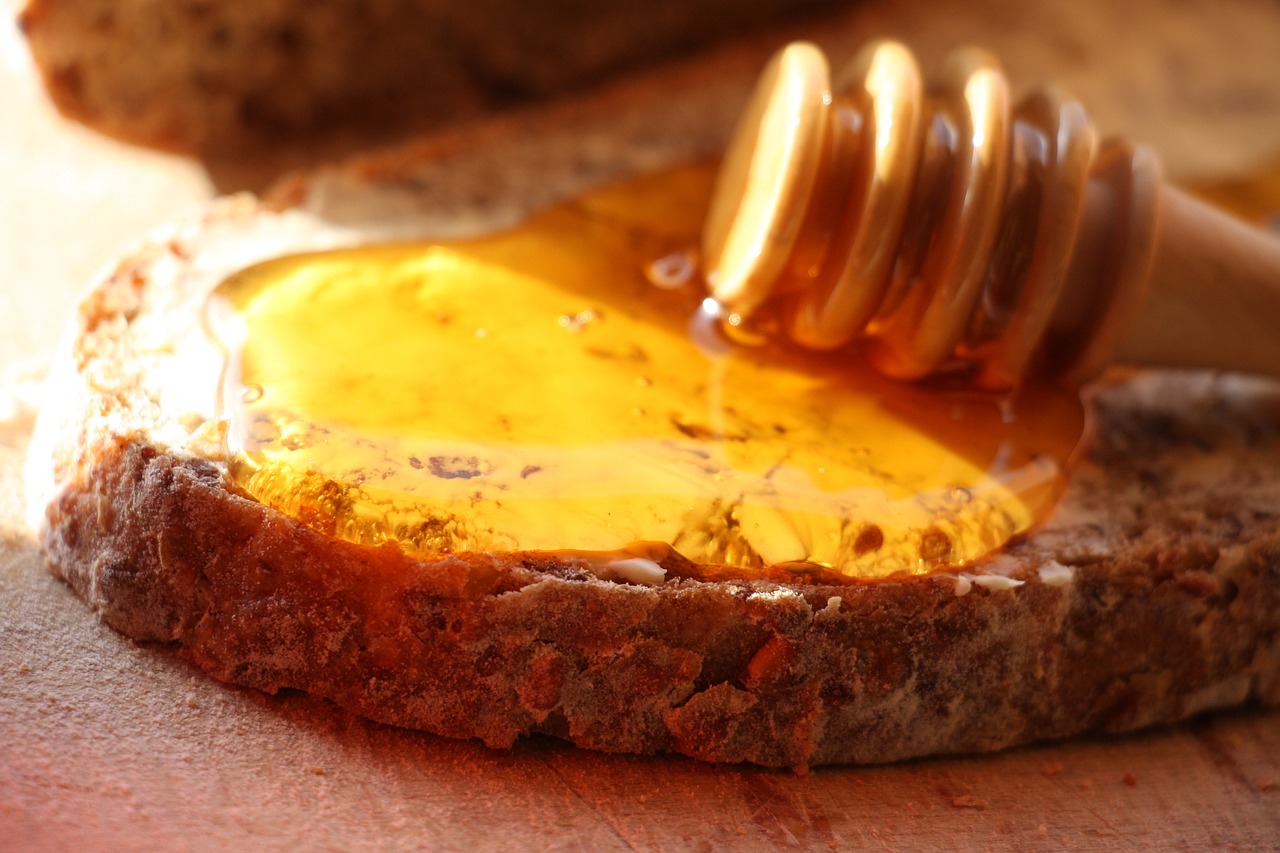
The honey we produce in Monticchiello faithfully reflects this approach. It’s a “multi-flower” honey that captures the essence of the Val d’Orcia, extracted according to the natural rhythms of the hive. Precisely to follow these spontaneous cycles, our production is limited and available in small quantities, ensuring superior quality and artisanal care in every jar. Buying local organic honey means choosing a wholesome product, but it’s also a direct way to support a company actively committed to protecting all pollinating insects. It’s a short supply chain that guarantees value for the consumer and protection for the environment.
You don’t have to be a farmer to protect bees. Even those who live in urban areas can make a difference!
Choose organic products: Supporting pesticide-free agriculture is the most effective long-term action.
Plant bee-friendly flowers: Lavender, rosemary, borage, or marigold (even potted on the balcony) are excellent sources of nectar.
Avoid chemical treatments in the garden: Often, small private vegetable gardens or gardens are treated with insecticides that are lethal to pollinators.
May is the perfect time to observe these dynamics up close. We invite you to visit us in Monticchiello to discover how we work and to taste the fruits of this delicate natural balance.