August brings hot days, intense sunshine and a prolonged absence of rain. To those who observe the hills of Monticchiello during this time, the landscape appears golden and almost dormant. Beneath the surface, however, nature is at work with extraordinary efficiency. Without the help of massive artificial irrigation or chemical fertilizers, how do organic crops survive the hottest periods of the year?
The answer lies in the natural resilience of plants and the balance of organic farming. Plants have developed adaptive mechanisms to manage water stress.
Let’s introduce some of their characteristics and analyze how they work.
– Reduced transpiration: species such as lavender and olive trees modify the opening of their stomata (the small pores on their leaves) to limit water loss during the hottest hours of the day.
– Deep root systems: naturally grown plants develop roots that penetrate deep into the soil in search of residual moisture, increasing their autonomy.
– Concentration of essential oils: in response to heat, many aromatic plants intensify the production of essential oils, which create a protective barrier against evaporation.
In organic farming, the true defense against drought begins with the health of the soil. Soil rich in organic matter and biodiversity acts like a veritable sponge, capable of retaining water from winter and spring rains and gradually releasing it during the summer months.
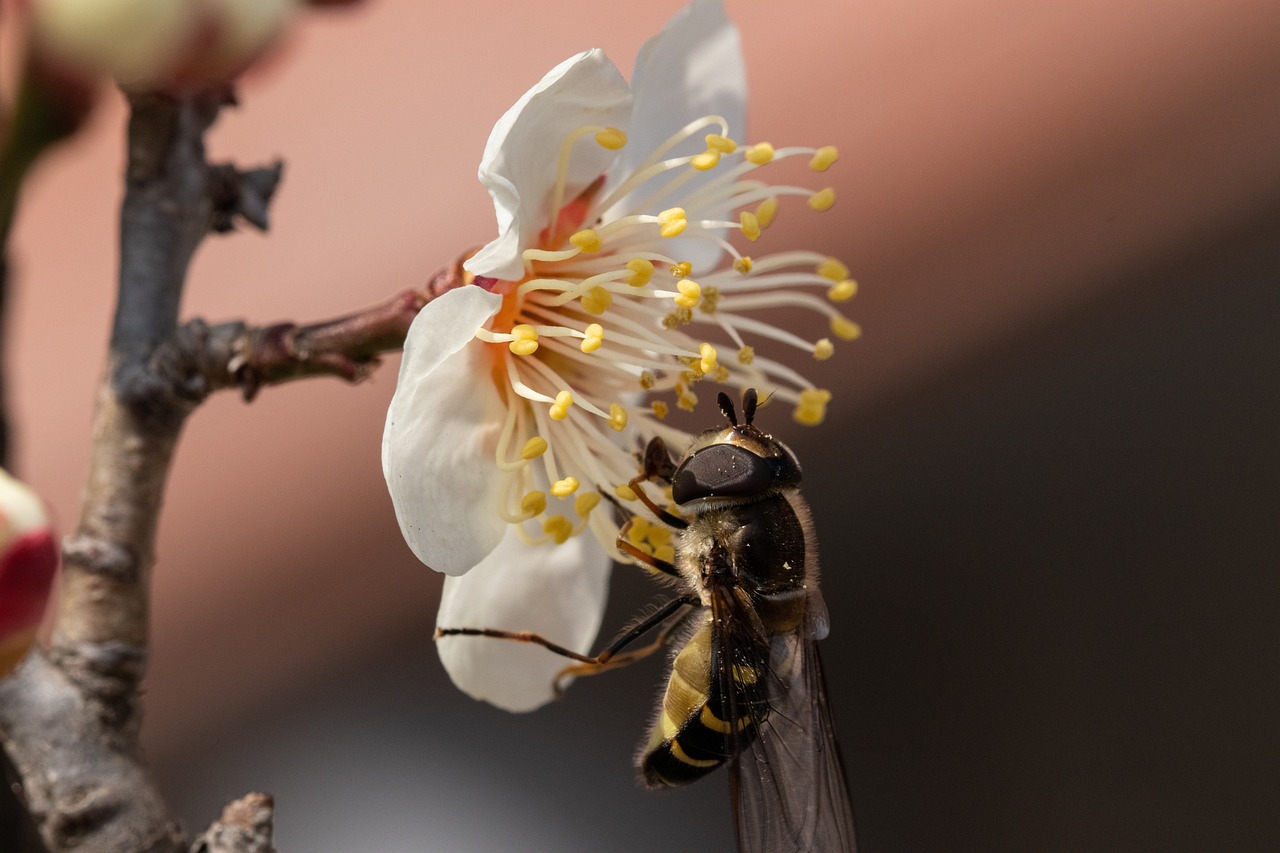
This natural management of water scarcity not only ensures the survival of plants, but also directly impacts the characteristics of the produce. Olive trees that manage water stress produce fruit with a rich polyphenolic profile; melliferous plants concentrate the nectar from which bees extract summer honey; lavender extracts the intensity of its scent from the sun.
Embracing the rhythms of the seasons and supporting the plants’ defense mechanisms is at the heart of the organic method: an approach that respects the land and enhances the authentic quality of each harvest.